PLOS Currents Outbreaks

  • Log in
  • Home
  • Aims & Scope
  • Review Board
    • Reviewer Guide
  • Authors ↓
    • Author Guide
    • Figure Creation
    • Table Creation
    • Equation Creation
    • Reference Creation
    • Author FAQ
  • Resources
  • About
    • Guildelines for Comments

Validating the Use of Google Trends to Enhance Pertussis Surveillance in California

October 19, 2015 · Research

Introduction and Methods: Pertussis has recently re-emerged in the United States. Timely surveillance is vital to estimate the burden of this disease accurately and to guide public health response. However, the surveillance of pertussis is limited by delays in reporting, consolidation and dissemination of data to relevant stakeholders. We fit and assessed a real-time predictive Google model for pertussis in California using weekly incidence data from 2009-2014.

Results and Discussion: The linear model was moderately accurate (r = 0.88). Our findings cautiously offer a complementary, real-time signal to enhance pertussis surveillance in California and help to further define the limitations and potential of Google-based epidemic prediction in the rapidly evolving field of digital disease detection.

Improved Discrimination of Influenza Forecast Accuracy Using Consecutive Predictions

October 5, 2015 · Research

Introduction: The ability to predict the growth and decline of infectious disease incidence has advanced considerably in recent years. In particular, accurate forecasts of influenza epidemiology have been developed using a number of approaches.

Methods: Within our own group we produce weekly operational real-time forecasts of influenza at the municipal and state level in the U.S. These forecasts are generated using ensemble simulations depicting local influenza transmission dynamics, which have been optimized prior to forecast with observations of influenza incidence and data assimilation methods. The expected accuracy of a given forecast can be inferred in real-time through quantification of the agreement (e.g. the variance) among the ensemble of simulations.

Results: Here we show that forecast expected accuracy can be further discriminated with the additional consideration of the streak or persistence of the forecast—the number of consecutive weeks the forecast has converged to the same outcome.

Discussion: The findings indicate that the use of both the streak and ensemble agreement provides a more detailed and informative assessment of forecast expected accuracy.

Whole Genome Sequence Analysis of Salmonella Enteritidis PT4 Outbreaks from a National Reference Laboratory’s Viewpoint

September 11, 2015 · Research

Introduction: In April and May 2014, two suspected egg-related outbreaks of Salmonella enterica subsp. enterica serovar Enteritidis (S. Enteritidis) were investigated by the Belgian National Reference Laboratory of Foodborne Outbreaks. Both the suspected food and human isolates being available, and this for both outbreaks, made these the ideal case study for a retrospective whole genome sequencing (WGS) analysis with the goal to investigate the feasibility of this technology for outbreak investigation by a National Reference Laboratory or National Reference Centre without thorough bioinformatics expertise.

Methods: The two outbreaks were originally investigated epidemiologically with a standard questionnaire and with serotyping, phage typing, multiple-locus variable-number of tandem repeats analysis (MLVA) and antimicrobial susceptibility testing as classical microbiological methods. Retrospectively, WGS of six outbreak isolates was done on an Illumina HiSeq. Analysis of the WGS data was performed with currently available, user-friendly software and tools, namely CLC Genomics Workbench, the tools available on the server of the Center for Genomic Epidemiology and BLAST Ring Image Generator (BRIG).

Results: To all collected human and food outbreak isolates, classical microbiological investigation assigned phage type PT4 (variant phage type PT4a for one human isolate) and MLVA profile 3-10-5-4-1, both of which are common for human isolates in Belgium. The WGS analysis confirmed the link between food and human isolates for each of the outbreaks and clearly discriminated between the two outbreaks occurring in a same time period, thereby suggesting a non-common source of contamination. Also, an additional plasmid carrying an antibiotic resistance gene was discovered in the human isolate with the variant phage type PT4a.

Discussion: For the two investigated outbreaks occurring at geographically separated locations, the gold standard classical microbiological subtyping methods were not sufficiently discriminative to distinguish between or assign a common origin of contamination for the two outbreaks, while WGS analysis could do so. This case study demonstrated the added value of WGS for outbreak investigations by confirming and/or discriminating food and human isolates between and within outbreaks. It also proved the feasibility of WGS as complementary or even future replacing (sub)typing method for the average routine laboratory.

Novel Human-like Influenza A Viruses Circulate in Swine in Mexico and Chile

August 13, 2015 · Research

Introduction: Further understanding of the genetic diversity and evolution of influenza A viruses circulating in swine (IAV-S) is important for the development of effective vaccines and our knowledge of pandemic threats. Until recently, very little was known of IAV-S diversity in Latin America, owing to a lack of surveillance.

Methods: To address this gap, we sequenced and conducted a phylogenetic analysis of 69 hemagglutinin (HA) sequences from IAV-S isolates collected in swine in Mexico and Chile during 2010-2014, including the H1N1, H1N2, and H3N2 subtypes.

Results: Our analysis identified multiple IAV-S lineages that appear to have been circulating undetected in swine for decades, including four novel IAV-S lineages of human seasonal virus origin that have not been previously identified in any swine populations globally. We also found evidence of repeated introductions of pandemic H1N1 viruses from humans into swine in Mexico and Chile since 2009, and incursions of H1 and H3 viruses from North American swine into Mexico.

Discussion: Overall, our findings indicate that at least 12 genetically distinct HA lineages circulate in Latin American swine herds, only two of which have been found in North American swine herds. Human-to-swine transmission, spatial migration via swine movements, and genomic reassortment are the key evolutionary mechanisms that generate this viral diversity. Additional antigenic characterization and whole-genome sequencing is greatly needed to understand the diversity and independent evolution of IAV-S in Latin America. 

Rapid Assessment of Ebola-Related Implications for Reproductive, Maternal, Newborn and Child Health Service Delivery and Utilization in Guinea

August 4, 2015 · Research

Introduction: Since March 2014, Guinea has been in the midst of the largest, longest, and deadliest outbreak of Ebola Virus Disease ever recorded. Due to sub-optimal health conditions prior to the outbreak, Guinean women and children may have been especially vulnerable to worsening health care conditions. A rapid assessment was conducted to better understand how the delivery and utilization of routine RMNCH services may have been affected by the extraordinary strain placed on the health system and its client population by the Ebola outbreak in Guinea.

Methods: Data were collected January-February 2015 in a convenience sample of public and private facilities in areas of the country that were Ebola active, calm and inactive. Monthly data on a number of RMNCH services were collected by facility record abstraction for the period from October 1, 2013 through December 31, 2014. Structured interviews were also held with facility directors and RMNCH service providers.

Results: Data on RMNCH services from forty five public facilities were obtained. A statistically significant decline of 31% was seen in outpatient visits between October-December 2013 (before the Ebola outbreak) and October-December 2014 (the advanced stage of the Ebola outbreak). Service declines appeared to be greater in hospitals compared to health centers. Child health services were more affected by the Ebola epidemic than other assessed health areas. For example, the number of children under five seen for diarrhea and Acute Respiratory Infection (ARI) showed a large decrease over the one-year period in both hospitals (60% for diarrhea and 58% for ARI) and health centers (25% and 23%, respectively). Results also suggest that the negative effects on service availability (such as reduced hours, closures, and service suspensions) are likely to be regional and/or facility-specific. Providers reported a number of improved infection control behaviors as a result of the Ebola outbreak, including more frequent hand-washing and the use of disinfectants. Nevertheless, 30% of interviewed staff had not received any training on Ebola infection control.  

Discussion: Although there may be differences in RMNCH service delivery and availability in selected versus non-selected facilities, a large number of indicators were assessed in order to provide needed information on the effects of the Ebola crisis on routine RMNCH service delivery and uptake in Guinea. This information is an important and timely contribution to ongoing efforts to understand and respond to the adverse effects of the Ebola crisis on essential RMNCH services in Guinea.

Surveillance of Acute Respiratory Infections Using Community-Submitted Symptoms and Specimens for Molecular Diagnostic Testing

May 27, 2015 · Research

Participatory systems for surveillance of acute respiratory infection give real-time information about infections circulating in the community, yet to-date are limited to self-reported syndromic information only and lacking methods of linking symptom reports to infection types. We developed the GoViral platform to evaluate whether a cohort of lay volunteers could, and would find it useful to, contribute self-reported symptoms online and to compare specimen types for self-collected diagnostic information of sufficient quality for respiratory infection surveillance. Volunteers were recruited, given a kit (collection materials and customized instructions), instructed to report their symptoms weekly, and when sick with cold or flu-like symptoms, requested to collect specimens (saliva and nasal swab). We compared specimen types for respiratory virus detection sensitivity (via polymerase-chain-reaction) and ease of collection. Participants were surveyed to determine receptivity to participating when sick, to receiving information on the type of pathogen causing their infection and types circulating near them. Between December 1 2013 and March 1 2014, 295 participants enrolled in the study and received a kit. Of those who reported symptoms, half (71) collected and sent specimens for analysis. Participants submitted kits on average 2.30 days (95 CI: 1.65 to 2.96) after symptoms began. We found good concordance between nasal and saliva specimens for multiple pathogens, with few discrepancies. Individuals report that saliva collection is easiest and report that receiving information about what pathogen they, and those near them, have is valued and can shape public health behaviors. Community-submitted specimens can be used for the detection of acute respiratory infection with individuals showing receptivity for participating and interest in a real-time picture of respiratory pathogens near them.

The Role of Social Mobilization in Controlling Ebola Virus in Lofa County, Liberia

May 15, 2015 · Research
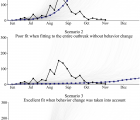
In Scenario 1 and Scenario 2, the capacity of the Lofa County ETUs was increased, as actually occurred, but no behavior change took place in the population. Scenario 1 fit the weekly case counts in June and July and extrapolated the trend to future months. Scenario 1 substantially overestimated the size of the outbreak, predicting 8585 or more reported cases by October 21 in 50% of simulations. Scenario 2 fit the weekly cases for June through October. A poor fit to the observed cases was obtained. Scenario 3 took into account gradually increasing awareness of EVD in the community, in addition to the expansion of the Lofa County ETUs, achieving an excellent fit to the observed weekly cases.

The West Africa Ebola virus epidemic now appears to be coming to an end. In the proposed model, we simulate changes in population behavior that help to explain the observed transmission dynamics. We introduce an EVD transmission model accompanied by a model of social mobilization. The model was fit to Lofa County, Liberia through October 2014, using weekly counts of new cases reported by the US CDC. In simulation studies, we analyze the dynamics of the disease transmission with and without population behavior change, given the availability of beds in Ebola treatment units (ETUs) estimated from observed data. Only the model scenario that included individuals’ behavioral change achieved a good fit to the observed case counts. Although the capacity of the Lofa County ETUs greatly increased in mid-August, our simulations show that the expansion was insufficient to alone control the outbreak. Modeling the entire outbreak without considering behavior change fit the data poorly, and extrapolating from early data without taking behavioral changes into account led to a prediction of exponential outbreak growth, contrary to the observed decline.  Education and awareness-induced behavior change in the population was instrumental in curtailing the Ebola outbreak in Lofa County and is likely playing an important role in stopping the West Africa epidemic altogether.

Assessing Measles Transmission in the United States Following a Large Outbreak in California

May 7, 2015 · Research

The recent increase in measles cases in California may raise questions regarding the continuing success of measles control. To determine whether the dynamics of measles is qualitatively different in comparison to previous years, we assess whether the 2014-2015 measles outbreak associated with an Anaheim theme park is consistent with subcriticality by calculating maximum-likelihood estimates for the effective reproduction number given this year’s outbreak, using the Galton-Watson branching process model. We find that the dynamics after the initial transmission event are consistent with prior transmission, but does not exclude the possibility that the effective reproduction number has increased.

Epidemiological and Surveillance Response to Ebola Virus Disease Outbreak in Lofa County, Liberia (March-September, 2014); Lessons Learned

May 6, 2015 · Research

Ebola Virus Disease (EVD) outbreak was confirmed in Liberia on March 31st 2014. A response comprising of diverse expertise was mobilized and deployed to the country to contain transmission of Ebola and give relief to a people already impoverished from protracted civil war. This paper describes the epidemiological and surveillance response to the EVD outbreak in Lofa County in Liberia from March to September 2014. Five of the 6 districts of Lofa were affected. The most affected districts were Voinjama/Guardu Gbondi and Foya. By 26th September, 2014, a total of 619 cases, including 19.4% probable cases, 20.3% suspected cases and 44.2% confirmed cases were recorded by the Ebola Emergency Response Team (EERT) of Lofa County. Adults (20-50 years) were the most affected. Overall fatality rate was 53.3%.  Twenty two (22) cases were reported among the Health Care Workers with a fatality rate of 81.8%. Seventy eight percent (78%) of the contacts successfully completed 21 days follow-up while 134 (6.15%) that developed signs and symptoms of EVD were referred to the ETU in Foya. The contributions of the weak health systems as well as socio-cultural factors in fueling the epidemic are highlighted. Importantly, the lessons learnt including the positive impact of multi-sectorial and multidisciplinary and coordinated response led by the government and community.  Again, given that the spread of infectious disease can be considered a security threat every effort has to put in place to strengthen the health systems in developing countries including the International Health Regulation (IHR)’s core capacities.

Key words:  Ebola virus disease, outbreak, epidemiology and surveillance, socio-cultural factors, health system, West Africa. 

Understanding the Emergence of Ebola Virus Disease in Sierra Leone: Stalking the Virus in the Threatening Wake of Emergence

April 20, 2015 · Research

Since Ebola Virus Disease (EVD) was first identified in 1976 in what is now the Democratic Republic of Congo, and despite the numerous outbreaks recorded to date, rarely has an epidemic origin been identified. Indeed, among the twenty-one most documented EVD outbreaks in Africa, an index case has been identified four times, and hypothesized in only two other instances. The initial steps of emergence and spread of a virus are critical in the development of a potential outbreak and need to be thoroughly dissected and understood in order to improve on preventative strategies. In the current West African outbreak of EVD, a unique index case has been identified, pinpointing the geographical origin of the epidemic in Guinea. Herein, we provide an accounting of events that serve as the footprint of EVD emergence in Sierra Leone and a road map for risk mitigation fueled by lessons learned.

Services for Mothers and Newborns During the Ebola Outbreak in Liberia: The Need for Improvement in Emergencies

April 16, 2015 · Research

Background:
The magnitude of the Ebola outbreak in West Africa is unprecedented. Liberia, Guinea, and Sierra Leone are in the bottom ten countries in the Human Development Index, but all had made gains in child survival prior to the outbreak. With closure of healthcare facilities and the loss of health workers secondary to the outbreak, the region risks reversing survival gains achieved in maternal and newborn health.

Methods:
Anonymized service utilization data were downloaded from the Liberia District Health Information Software (DHIS) 2 for selected maternal health services at PHC facilities in Margibi and Bong Counties from March 2014, when the first case of Ebola was reported in Liberia, through December 2014. Absolute numbers are provided instead of percentage measures because of the lack of a population-based denominator.

Results:
Overall, the data show a decrease in absolute utilization from the start of the outbreak, followed by a slow recovery after October or November. In Bong County, totals were less than 14% of the peak numbers during the outbreak for number of antenatal visits and pregnant women receiving intermittent preventive treatment for malaria in pregnancy (IPTp). For total deliveries, utilization was less than 33% of the highest month. In Margibi County, during what now appears to be the height of the outbreak, numbers dropped to less than 9% of peak utilization for antenatal care visits and 4% for IPTp. Total health facility deliveries dropped to less than 9% of peak utilization.

Conclusion:
It is clear that Bong and Margibi Counties in Liberia experienced a large drop in utilization of maternal health care services during what now appears to be the peak of the Ebola outbreak. As the health of women and their babies is being promoted in the post-2015 sustainable development agenda, it is critical that the issue of maternal and newborn survival in humanitarian emergency settings, like the Ebola outbreak, is prioritized.

Control of a Reassortant Pandemic 2009 H1N1 Influenza Virus Outbreak in an Intensive Swine Breeding Farm: Effect of Vaccination and Enhanced Farm Management Practices

April 13, 2015 · Research

Influenza A viruses in swine cause considerable economic losses and raise concerns about their zoonotic potential. The current paucity of thorough empirical assessments of influenza A virus infection levels in swine herds under different control interventions hinders our understanding of their effectiveness. Between 2012 and 2013, recurrent outbreaks of respiratory disease caused by a reassortant pandemic 2009 H1N1 (H1N1pdm) virus were registered in a swine breeding farm in North-East Italy, providing the opportunity to assess an outbreak response plan based on vaccination and enhanced farm management. All sows/gilts were vaccinated with a H1N1pdm-specific vaccine, biosecurity was enhanced, weaning cycles were lengthened, and cross-fostering of piglets was banned. All tested piglets had maternally-derived antibodies at 30 days of age and were detectable in 5.3% of ~90 day-old piglets. There was a significant reduction in H1N1pdm RT-PCR detections after the intervention. Although our study could not fully determine the extent to which the observed trends in seropositivity or RT-PCR positivity among piglets were due to the intervention or to the natural course of the disease in the herd, we provided suggestive evidence that the applied measures were useful in controlling the outbreak, even without an all-in/all-out system, while keeping farm productivity at full.

Public Knowledge, Perception and Source of Information on Ebola Virus Disease – Lagos, Nigeria; September, 2014

April 8, 2015 · Research

Background: The first ever outbreak of Ebola virus disease (EVD) in Nigeria was declared in July, 2014. Level of public knowledge, perception and adequacy of information on EVD were unknown. We assessed the public preparedness level to adopt disease preventive behavior which is premised on appropriate knowledge, perception and adequate information.

Methods: We enrolled 5,322 respondents in a community-based cross-sectional study. We used interviewer-administered questionnaire to collect data on socio-demographic characteristics, EVD–related knowledge, perception and source of information. We performed univariate and bivariate data analysis using Epi-Info software setting p-value of 0.05 as cut-off for statistical significance.

Results: Mean age of respondents was 34 years (± 11.4 years), 52.3% were males. Forty one percent possessed satisfactory general knowledge; 44% and 43.1% possessed satisfactory knowledge on mode of spread and preventive measures, respectively. Residing in EVD cases districts, male respondents and possessing at least secondary education were positively associated with satisfactory general knowledge (p-value: 0.01, 0.001 and 0.000004, respectively). Seventy one percent perceived EVD as a public health problem while 61% believed they cannot contract the disease. Sixty two percent and 64% of respondents will not shake hands and hug a successfully treated EVD patient respectively. Only 2.2% of respondents practice good hand-washing practice. Television (68.8%) and radio (55.0%) are the most common sources of information on EVD.

Conclusions: Gaps in EVD-related knowledge and perception exist. Targeted public health messages to raise knowledge level, correct misconception and discourage stigmatization should be widely disseminated, with television and radio as media of choice.

Modeling the 2014 Ebola Virus Epidemic – Agent-Based Simulations, Temporal Analysis and Future Predictions for Liberia and Sierra Leone

March 9, 2015 · Research

We developed an agent-based model to investigate the epidemic dynamics of Ebola virus disease (EVD) in Liberia and Sierra Leone from May 27 to December 21, 2014. The dynamics of the agent-based simulator evolve on small-world transmission networks of sizes equal to the population of each country, with adjustable densities to account for the effects of public health intervention policies and individual behavioral responses to the evolving epidemic. Based on time series of the official case counts from the World Health Organization (WHO), we provide estimates for key epidemiological variables by employing the so-called Equation-Free approach. The underlying transmission networks were characterized by rather random structures in the two countries with densities decreasing by ~19% from the early (May 27-early August) to the last period (mid October-December 21). Our estimates for the values of key epidemiological variables, such as the mean time to death, recovery and the case fatality rate, are very close to the ones reported by the WHO Ebola response team during the early period of the epidemic (until September 14) that were calculated based on clinical data. Specifically, regarding the effective reproductive number Re, our analysis suggests that until mid October, Re was above 2.3 in both countries; from mid October to December 21, Re dropped well below unity in Liberia, indicating a saturation of the epidemic, while in Sierra Leone it was around 1.9, indicating an ongoing epidemic. Accordingly, a ten-week projection from December 21 estimated that the epidemic will fade out in Liberia in early March; in contrast, our results flashed a note of caution for Sierra Leone since the cumulative number of cases could reach as high as 18,000, and the number of deaths might exceed 5,000, by early March 2015. However, by processing the reported data of the very last period (December 21, 2014-January 18, 2015), we obtained more optimistic estimates indicative of a remission of the epidemic in Sierra Leone, as reflected by the derived Re (~0.82, 95% CI: 0.81-0.83).

Why Are Young Adults Affected? Estimating Measles Vaccination Coverage in 20-34 Year Old Germans in Order to Verify Progress Towards Measles Elimination

February 25, 2015 · Research

Background:
The introduction of measles vaccination into routine childhood vaccination programmes has led to a shift of disease burden and incidence among young adults. This was confirmed by the recent rise in measles cases and outbreaks throughout Europe. To prevent outbreaks and eliminate measles, one of the key objectives of the WHO Europe measles elimination framework is achieving overall vaccination coverage of ≥95% in the population on a district level.
In the absence of national registers, data on vaccination coverage in Germany is recorded at the age of school entry, through insurance refund claim data and population studies. Vaccination status (VS) of young adults is largely unknown.

Methods:
We assessed measles vaccination coverage in young adults aged 20-34 years on a district level of the German Federal State of Rhineland-Palatinate. The knowledge and attitude towards immunization of unvaccinated to vaccinated young adults were compared using Likert questions. We used proportional allocation for stratified random sampling across 36 counties. We mailed a self-administered questionnaire with pre-paid return envelopes along with an offer to complete online. Prior to calculating coverage we tested for non-responder bias using logistic regression.

Results:
465 (28%) of 1,637 persons contacted responded (mail: 23%, online: 5%). More women responded than men (odds ratio (OR)=2.1; 95% confidence intervall (CI)=1.7-2.6) but age did not vary between responders and non-responders. Vaccination coverage was 90% (95%CI=87%-93%) for one and 56% (95%CI=51%-61%) for two doses. We found a statistically significant association between receiving two doses and age group. The 20-24 years age group had a 2.3 higher incidence rate ratio (95%CI=1.7-3.2) than the reference group of 30-34 year old to have received two doses of measles vaccination. The group of 25-29 year old had a 1.5 higher incidence rate (95%CI=1.0-2.1) than the reference group to have received two doses of measles vaccination.

Conclusions:
Coverage has failed to reach the WHO Europe elimination goal of 95% measles vaccination in the general population. Targeted approaches including enlistment of occupational health services and checking vaccination status during general practitioner (GP) visits are needed to increase vaccination uptake in this age group in order to achieve measles elimination.

Factors Associated with Intention to Receive Influenza and Tetanus, Diphtheria, and Acellular Pertussis (Tdap) Vaccines during Pregnancy: A Focus on Vaccine Hesitancy and Perceptions of Disease Severity and Vaccine Safety

February 25, 2015 · Research

BACKGROUND: Improving influenza and tetanus, diphtheria and acellular pertussis (Tdap) vaccine coverage among pregnant women is needed.

PURPOSE: To assess factors associated with intention to receive influenza and/or Tdap vaccinations during pregnancy with a focus on perceptions of influenza and pertussis disease severity and influenza vaccine safety.

METHODS: Participants were 325 pregnant women in Georgia recruited from December 2012 – April 2013 who had not yet received a 2012/2013 influenza vaccine or a Tdap vaccine while pregnant. Women completed a survey assessing influenza vaccination history, likelihood of receiving antenatal influenza and/or Tdap vaccines, and knowledge, attitudes and beliefs about influenza, pertussis, and their associated vaccines.

RESULTS: Seventy-three percent and 81% of women believed influenza and pertussis, respectively, would be serious during pregnancy while 87% and 92% believed influenza and pertussis, respectively, would be serious to their infants. Perception of pertussis severity for their infant was strongly associated with an intention to receive a Tdap vaccine before delivery (p=0.004). Despite perceptions of disease severity for themselves and their infants, only 34% and 44% intended to receive antenatal influenza and Tdap vaccines, respectively. Forty-six percent had low perceptions of safety regarding the influenza vaccine during pregnancy, and compared to women who perceived the influenza vaccine as safe, women who perceived the vaccine as unsafe were less likely to intend to receive antenatal influenza (48% vs. 20%; p < 0.001) or Tdap (53% vs. 33%; p < 0.001) vaccinations.

CONCLUSIONS: Results from this baseline survey suggest that while pregnant women who remain unvaccinated against influenza within the first three months of the putative influenza season may be aware of the risks influenza and pertussis pose to themselves and their infants, many remain reluctant to receive influenza and Tdap vaccines antenatally. To improve vaccine uptake in the obstetric setting, our findings support development of evidence-based vaccine promotion interventions which emphasize vaccine safety during pregnancy and mention disease severity in infancy.

Measuring Vaccine Confidence: Introducing a Global Vaccine Confidence Index

February 25, 2015 · Research

Background.
Public confidence in vaccination is vital to the success of immunisation programmes worldwide. Understanding the dynamics of vaccine confidence is therefore of great importance for global public health. Few published studies permit global comparisons of vaccination sentiments and behaviours against a common metric. This article presents the findings of a multi-country survey of confidence in vaccines and immunisation programmes in Georgia, India, Nigeria, Pakistan, and the United Kingdom (UK) – these being the first results of a larger project to map vaccine confidence globally.

Methods.
Data were collected from a sample of the general population and from those with children under 5 years old against a core set of confidence questions. All surveys were conducted in the relevant local-language in Georgia, India, Nigeria, Pakistan, and the UK. We examine confidence in immunisation programmes as compared to confidence in other government health services, the relationships between confidence in the system and levels of vaccine hesitancy, reasons for vaccine hesitancy, ultimate vaccination decisions, and their variation based on country contexts and demographic factors.

Results.
The numbers of respondents by country were: Georgia (n=1000); India (n=1259); Pakistan (n=2609); UK (n=2055); Nigerian households (n=12554); and Nigerian health providers (n=1272). The UK respondents with children under five years of age were more likely to hesitate to vaccinate, compared to other countries. Confidence in immunisation programmes was more closely associated with confidence in the broader health system in the UK (Spearman’s ρ=0.5990), compared to Nigeria (ρ=0.5477), Pakistan (ρ=0.4491), and India (ρ=0.4240), all of which ranked confidence in immunisation programmes higher than confidence in the broader health system. Georgia had the highest rate of vaccine refusals (6 %) among those who reported initial hesitation. In all other countries surveyed most respondents who reported hesitating to vaccinate went on to receive the vaccine except in Kano state, Nigeria, where the percentage of those who ultimately refused vaccination after initially hesitating was as high as 76%) Reported reasons for hesitancy in all countries were classified under the domains of “confidence,” “convenience,” or “complacency,” and confidence issues were found to be the primary driver of hesitancy in all countries surveyed.

Assessing the Direct Effects of the Ebola Outbreak on Life Expectancy in Liberia, Sierra Leone and Guinea

February 19, 2015 · Research

Background: An EVD outbreak may reduce life expectancy directly (due to high mortality among EVD cases) and indirectly (e.g., due to lower utilization of healthcare and subsequent increases in non-EVD mortality). In this paper, we investigated the direct effects of EVD on life expectancy in Liberia, Sierra Leone and Guinea (LSLG thereafter).

Methods: We used data on EVD cases and deaths published in situation reports by the World Health Organization (WHO), as well as data on the age of EVD cases reported from patient datasets. We used data on non-EVD mortality from the most recent life tables published prior to the EVD outbreak. We then formulated three scenarios based on hypotheses about a) the extent of under-reporting of EVD cases and b) the EVD case fatality ratio. For each scenario, we re-estimated the number of EVD deaths in LSLG and we applied standard life table techniques to calculate life expectancy.

Results: In Liberia, possible reductions in life expectancy resulting from EVD deaths ranged from 1.63 year (low EVD scenario) to 5.56 years (high EVD scenario), whereas in Sierra Leone, possible life expectancy declines ranged from 1.38 to 5.10 years. In Guinea, the direct effects of EVD on life expectancy were more limited (<1.20 year).

Conclusions: Our high EVD scenario suggests that, due to EVD deaths, life expectancy may have declined in Liberia and Sierra Leone to levels these two countries had not experienced since 2001-2003, i.e., approximately the end of their civil wars. The total effects of EVD on life expectancy may however be larger due to possible concomitant increases in non-EVD mortality during the outbreak.

Whole Genome Sequencing for the Retrospective Investigation of an Outbreak of Salmonella Typhimurium DT 8

February 10, 2015 · Research

Background:
Salmonella enterica serovar Typhimurium DT8 is uncommon within the European Union. An increase in this phage type was reported in the summer of 2013 in the States of Jersey.

Methods:
A total of 21 human cases with this phage type were microbiologically confirmed. Salmonella isolates from mayonnaise made using raw eggs were also confirmed as being Salmonella Typhimurium DT8. The epidemiological investigations strongly supported a link between mayonnaise consumption and illness. Whole genome sequencing (WGS) was used to retrospectively investigate this outbreak with a view to assess the similarity between the suspect food and the human isolates and to characterise a known point source outbreak to assist in development of algorithms for outbreak detection.

Results:
Sequence data showed that the outbreak associated isolates, including the food isolates, formed a tightly clustered monophyletic group, with a maximum pairwise distance of 3 single nucleotide polymorphisms.

Conclusions:
WGS data is useful in confirming the causative agent of outbreaks where food and clinical isolates are available. This dataset, comprising a known outbreak, will be useful in the development of automatic algorithms for outbreak detection.

Temporal Changes in Ebola Transmission in Sierra Leone and Implications for Control Requirements: a Real-time Modelling Study

February 10, 2015 · Research

Background: Between August and November 2014, the incidence of Ebola virus disease (EVD) rose dramatically in several districts of Sierra Leone. As a result, the number of cases exceeded the capacity of Ebola holding and treatment centres. During December, additional beds were introduced, and incidence declined in many areas. We aimed to measure patterns of transmission in different regions, and evaluate whether bed capacity is now sufficient to meet future demand.

Methods: We used a mathematical model of EVD infection to estimate how the extent of transmission in the nine worst affected districts of Sierra Leone changed between 10th August 2014 and 18th January 2015. Using the model, we forecast the number of cases that could occur until the end of March 2015, and compared bed requirements with expected future capacity.

Results: We found that the reproduction number, R, defined as the average number of secondary cases generated by a typical infectious individual, declined between August and December in all districts. We estimated that R was near the crucial control threshold value of 1 in December. We further estimated that bed capacity has lagged behind demand between August and December for most districts, but as a consequence of the decline in transmission, control measures caught up with the epidemic in early 2015.

Conclusions: EVD incidence has exhibited substantial temporal and geographical variation in Sierra Leone, but our results suggest that the epidemic may have now peaked in Sierra Leone, and that current bed capacity appears to be sufficient to keep the epidemic under-control in most districts.

Estimating Drivers of Autochthonous Transmission of Chikungunya Virus in its Invasion of the Americas

February 10, 2015 · Research

Background
Chikungunya is an emerging arbovirus that has caused explosive outbreaks in Africa and Asia for decades and invaded the Americas just over a year ago. During this ongoing invasion, it has spread to 45 countries where it has been transmitted autochthonously, infecting nearly 1.3 million people in total.

Methods
Here, we made use of weekly, country-level case reports to infer relationships between transmission and two putative climatic drivers: temperature and precipitation averaged across each country on a monthly basis. To do so, we used a TSIR model that enabled us to infer a parametric relationship between climatic drivers and transmission potential, and we applied a new method for incorporating a probabilistic description of the serial interval distribution into the TSIR framework.

Results
We found significant relationships between transmission and linear and quadratic terms for temperature and precipitation and a linear term for log incidence during the previous pathogen generation. The lattermost suggests that case numbers three to four weeks ago are largely predictive of current case numbers. This effect is quite nonlinear at the country level, however, due to an estimated mixing parameter of 0.74. Relationships between transmission and the climatic variables that we estimated were biologically plausible and in line with expectations.

Conclusions
Our analysis suggests that autochthonous transmission of Chikungunya in the Americas can be correlated successfully with putative climatic drivers, even at the coarse scale of countries and using long-term average climate data. Overall, this provides a preliminary suggestion that successfully forecasting the future trajectory of a Chikungunya outbreak and the receptivity of virgin areas may be possible. Our results also provide tentative estimates of timeframes and areas of greatest risk, and our extension of the TSIR model provides a novel tool for modeling vector-borne disease transmission.

High-resolution Genomic Surveillance of 2014 Ebolavirus Using Shared Subclonal Variants

February 9, 2015 · Research

BACKGROUND: Viral outbreaks, such as the 2014 ebolavirus, can spread rapidly and have complex evolutionary dynamics, including coinfection and bulk transmission of multiple viral populations. Genomic surveillance can be hindered when the spread of the outbreak exceeds the evolutionary rate, in which case consensus approaches will have limited resolution. Deep sequencing of infected patients can identify genomic variants present in intrahost populations at subclonal frequencies (i.e. <50%). Shared subclonal variants (SSVs) can provide additional phylogenetic resolution and inform about disease transmission patterns.

METHODS: We use metrics from population genetics to analyze data from the 2014 ebolavirus outbreak in Sierra Leone and identify phylogenetic signal arising from SSVs. We use methods derived from information theory to measure a lower bound on transmission bottleneck size.

RESULTS AND CONCLUSIONS: We identify several SSV that shed light on phylogenetic relationships not captured by consensus-based analyses. We find that transmission bottleneck size is larger than one founder population, yet significantly smaller than the intrahost effective population. Our results demonstrate the important role of shared subclonal variants in genomic surveillance.

Measles Vaccination Coverage Survey in Moba, Katanga, Democratic Republic of Congo, 2013: Need to Adapt Routine and Mass Vaccination Campaigns to Reach the Unreached

February 2, 2015 · Research

The Democratic Republic of Congo (DRC) has committed to eliminate measles by 2020. In 2013, in response to a large outbreak, Médecins Sans Frontières conducted a mass vaccination campaign (MVC) in Moba, Katanga, DRC. We estimated the measles vaccination coverage for the MVC, the Expanded Programme on Immunization routine measles vaccination (EPI) and assessed reasons for non-vaccination.

We conducted a household-based survey among caretakers of children aged 6 months-15 years in Moba from November to December 2013. We used a two-stage-cluster-sampling, where clusters were allocated proportionally to village size and households were randomly selected from each cluster. The questionnaire included demographic variables, vaccination status (card or oral history) during MVC and EPI and reasons for non-vaccination. We estimated the coverage by gender, age and the reasons for non-vaccination and calculated 95% confidence intervals (95% CI).

We recruited 4,768 children living in 1,684 households. The MVC coverage by vaccination card and oral history was 87% (95% CI 84-90) and 66% (95% CI 61-70) if documented by card. The EPI coverage was 76% (95% CI 72-81) and 3% (95% CI 1-4) respectively. The MVC coverage was significantly higher among children previously vaccinated during EPI 91% (95% CI 88-93), compared to 74% (95% CI 66-80) among those not previously vaccinated. Six percent (n=317) of children were never vaccinated. The main reason for non-vaccination was family absence 68% (95% CI 58-78).

The MVC and EPI measles coverage was insufficient to prevent the recurrence of outbreaks in Moba. Lack of EPI vaccination and lack of accessibility by road were associated with lower MVC coverage. We recommend intensified social mobilization and extended EPI and MVCs to increase the coverage of absent residents and unreached children. Routine and MVCs need to be adapted accordingly to improve coverage in hard-to-reach populations in DRC.

A Model of the 2014 Ebola Epidemic in West Africa with Contact Tracing

January 30, 2015 · Research

A differential equations model is developed for the 2014 Ebola epidemics in Sierra Leone and Liberia. The model describes the dynamic interactions of the susceptible and infected populations of these countries. The model incorporates the principle features of contact tracing, namely, the number of contacts per identified infectious case, the likelihood that a traced contact is infectious, and the efficiency of the contact tracing process. The model is first fitted to current cumulative reported case data in each country. The data fitted simulations are then projected forward in time, with varying parameter regimes corresponding to contact tracing efficiencies. These projections quantify the importance of the identification, isolation, and contact tracing processes for containment of the epidemics.

Projected Treatment Capacity Needs in Sierra Leone

January 30, 2015 · Research

Background: The ongoing outbreak of Ebola Virus Disease in West Africa requires immediate and sustained input from the international community in order to curb transmission. The CDC has produced a model that indicates that to end the outbreak by pushing the reproductive number below one, 25% of the patients must be placed in an Ebola Treatment Unit (ETC) and 45% must be isolated in community settings in which risk of disease transmission is reduced and safe burials are provided. In order to provide firmer targets for the international response in Sierra Leone, we estimated the national and international personnel and treatment capacity that may be required to reach these percentages.

Methods: We developed a compartmental SEIR model that was fitted to WHO data and local data allowing the reproductive number to change every 8 weeks to forecast the progression of the EVD epidemic in Sierra Leone. We used the previously estimated 2.5x correction factor estimated by the CDC to correct for underreporting. Number of personnel required to provide treatment for the predicted number of cases was estimated using UNMEER and UN OCHA requests for resources required to meet the CDC target of 70% isolation.

Results: As of today (2014-12-04), we estimate that there are 810 (95% CI=646 to 973) EVD active cases in treatment, with an additional 3751 (95% CI=2778 to 4723) EVD cases unreported and untreated. To reach the CDC targets today, we need 1140 (95% CI=894 to 1387) cases in ETCs and 2052 (95% CI=1608 to 2496) at home or in a community setting with a reduced risk for disease transmission. In 28 days (2015-01-01), we will need 1309 (95% CI=804 to 1814) EVD cases in ETCs and 2356 (95% CI=1447 to 3266) EVD cases at reduced risk of transmission. If the current transmission rate is not reduced, up to 3183 personnel in total will be required in 56 days (2015-01-29) to operate ETCs according to our model.

Conclusions: The current outbreak will require massive input from the international community in order to curb the transmission through traditional containment mechanisms by breaking the chains of transmission in Sierra Leone. If sufficient treatment facilities, healthcare workers and support personnel are not rapidly deployed, the increasing number of cases will be overwhelming.In addition to supporting isolation and treatment mechanisms, other viable control options, such as the development of an effective vaccine, should be supported.

Older »

Vaccine Hesitancy Collection

PLOS Science Reddit AMA

New Twitter

Tweets about "PLOSCurrentsOUT OR PLOS Currents Outbreaks"

HealthMap Ebola

  • Home
  • Terms of Use
  • Privacy Statement
  • About
  • Contact